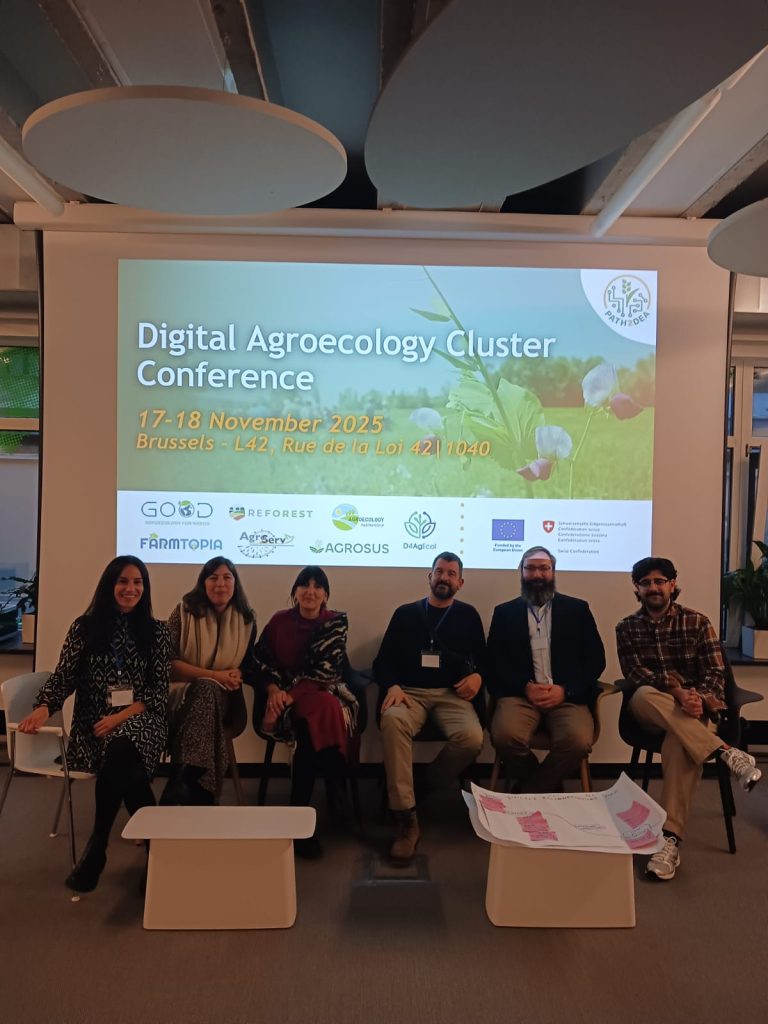
On 17–18 November, the European project AGROSUS held its Mid-Term event under the umbrella of the Digital Agroecology Cluster Conference, of which it is a member. The event brought together in Brussels the cluster’s members PATH2DEA, REFOREST, Farmtopia, GOOD, D4AgEcol, Agroserv and Agroecology Partnership alongside farmers, researchers, policymakers and advisors, to explore how digital technologies can acaccelerate Europe’s transition towards a more sustainable agriculture.
As leader of AGROSUS’s communication, dissemination and exploitation activities, FEUGA organised two key sessions that shaped the Mid-Term event and brought agroecology closer to participants.
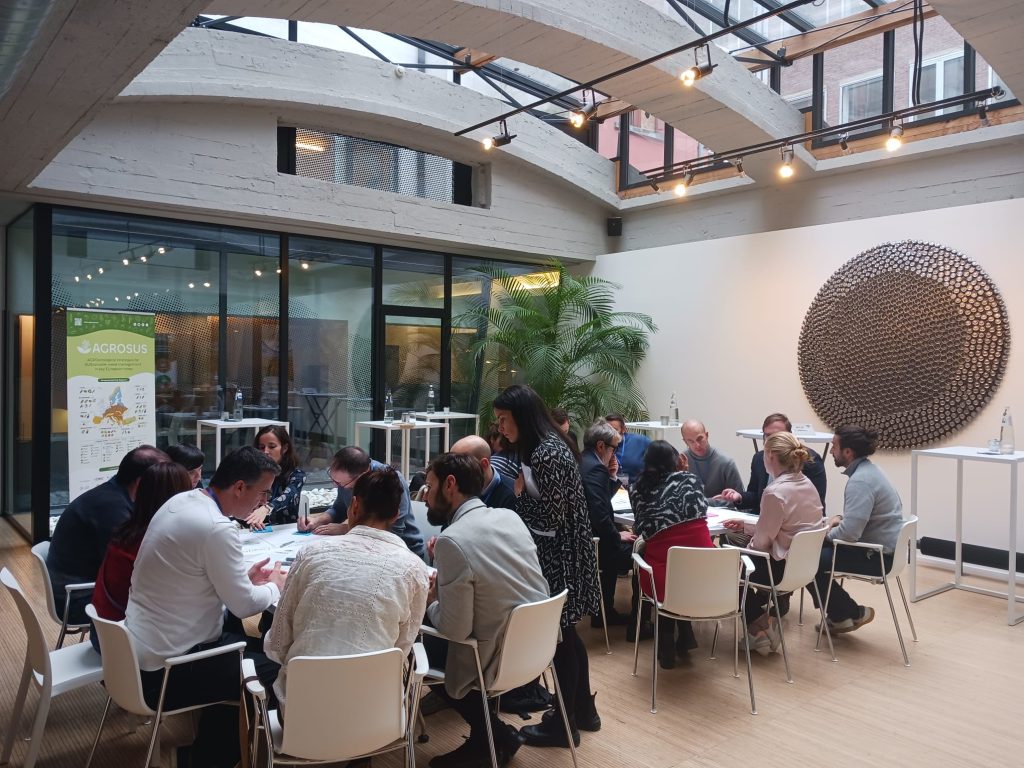
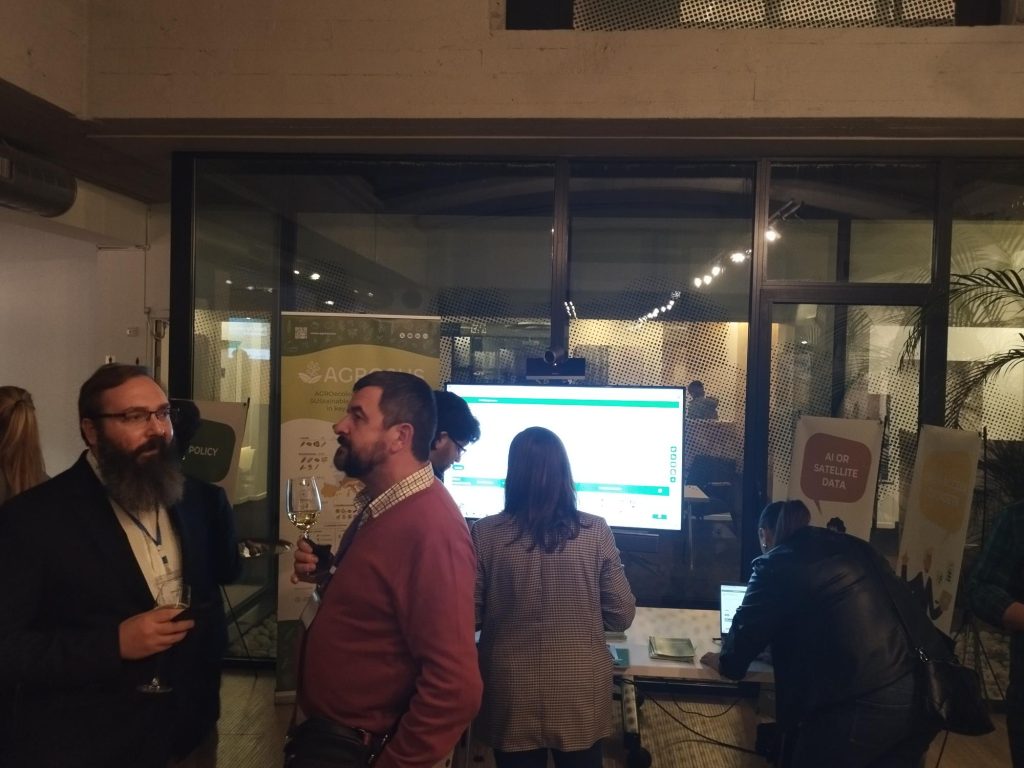
On the first day, following the different panel discussions, a networking session was held. Attendees were grouped according to their profiles: farmers or advisors, open-data users, policymakers and professionals integrating AI into their work. Once organised, each group discussed three key questions: how to define agroecology in one sentence, how agroecology influences their daily work, and which gaps should be addressed in future projects.
During the session, participants shared their views on agroecology and its challenges, converging on a common approach that sees agroecology as a holistic system integrating social, environmental and economic dimensions. They also highlighted the need for accessible and sustainable digital tools. This exchange helped identify shared priorities and differences among actors, strengthened collaboration between projects, and provided valuable insights to guide AGROSUS in the responsible development of digital solutions.
Furthermore, several digital tools from the cluster, including the AGROSUS Weed Database were available in a common area for consultation and interaction, offering direct contact with the project’s resources.
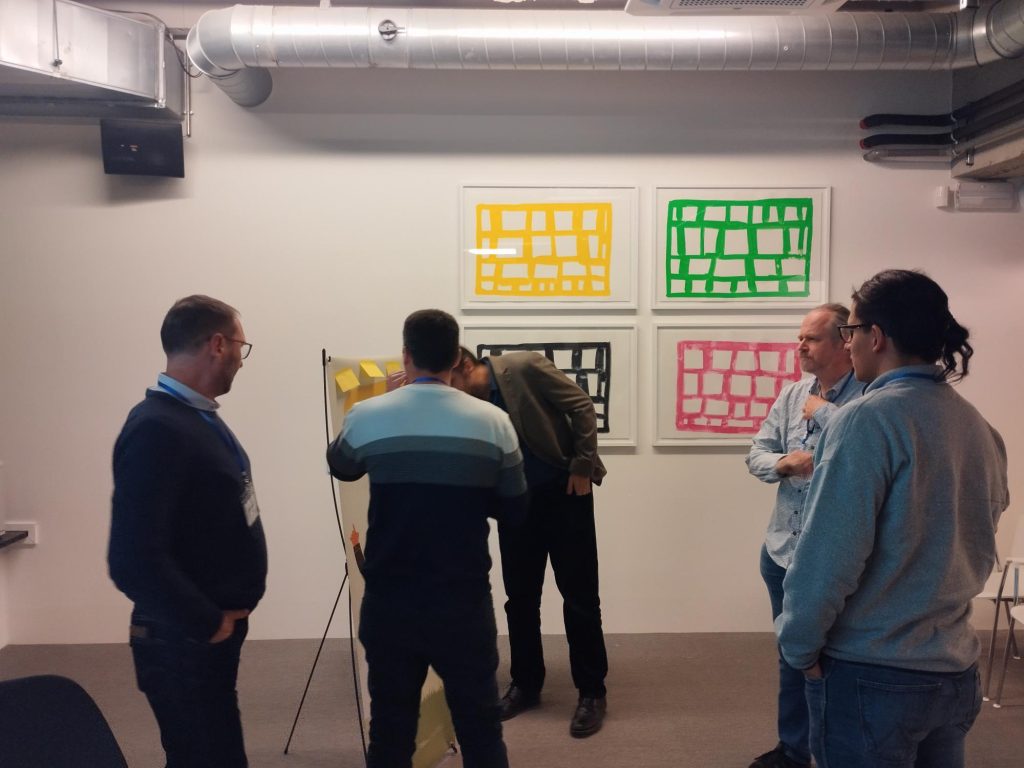
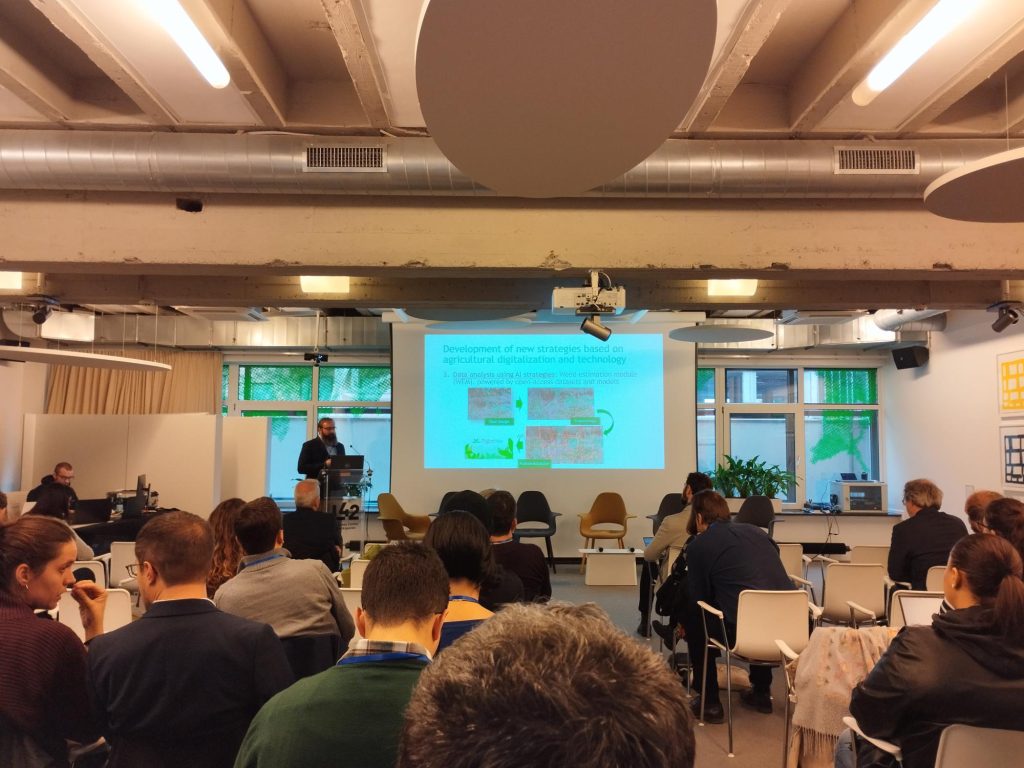
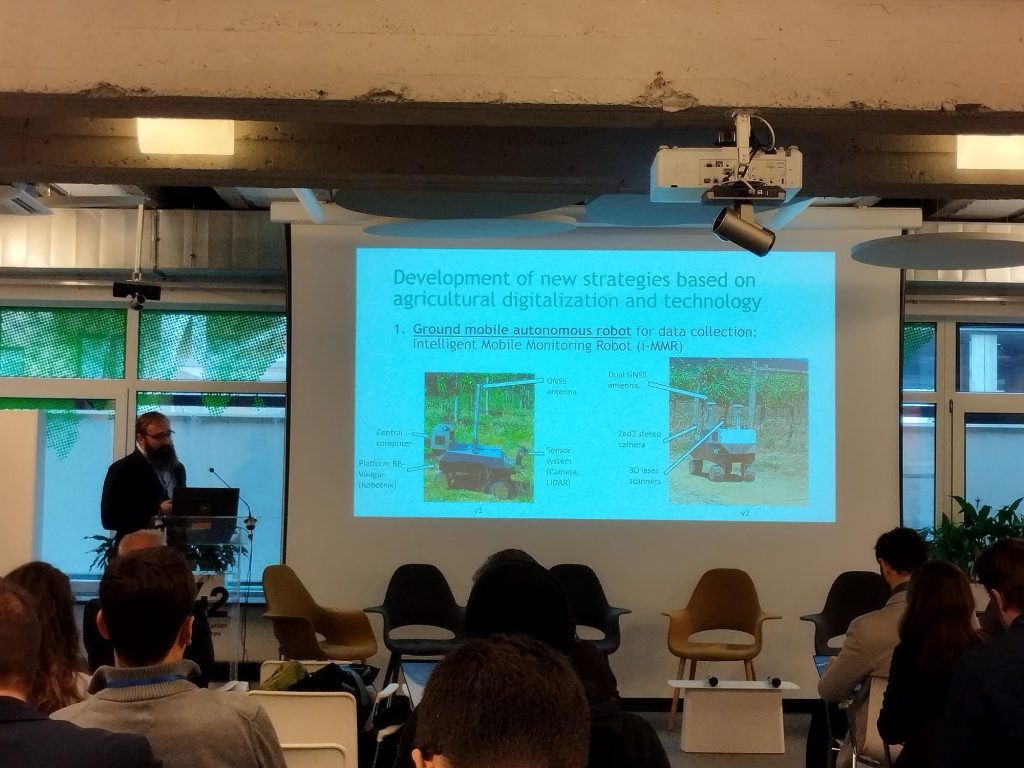
On the second day, and as the closing activity of the event, FEUGA organised a co-creation workshop on the future of digital agroecological tools. After presentations of the different tools being developed across the different projects, participants worked collaboratively around four key pillars: integration, usability, adoption barriers, and target users, with the aim of identifying opportunities and challenges in each field.
During the workshop, they agreed on the importance of building trust in data management, particularly among farmers, who require clear guarantees on how their data is stored and used. They also highlighted the need to improve interoperability, creating more integrated and accessible systems with multilingual support and optimisation for mobile devices. Long-term sustainability was another central topic, with participants proposing low-cost and open-source maintenance models to ensure tool continuity beyond project funding cycles.
Finally, participants suggested involving advisors at all stages of tool development to guarantee that these solutions are useful and effective for farmers.
These sessions represented an excellent opportunity to advance the integration of digital technologies into agroecology. As a key partner in AGROSUS, FEUGA continues to ensure that the advances achieved within the project reach key stakeholders, contributing to a more innovative, resilient and sustainable agricultural system.